

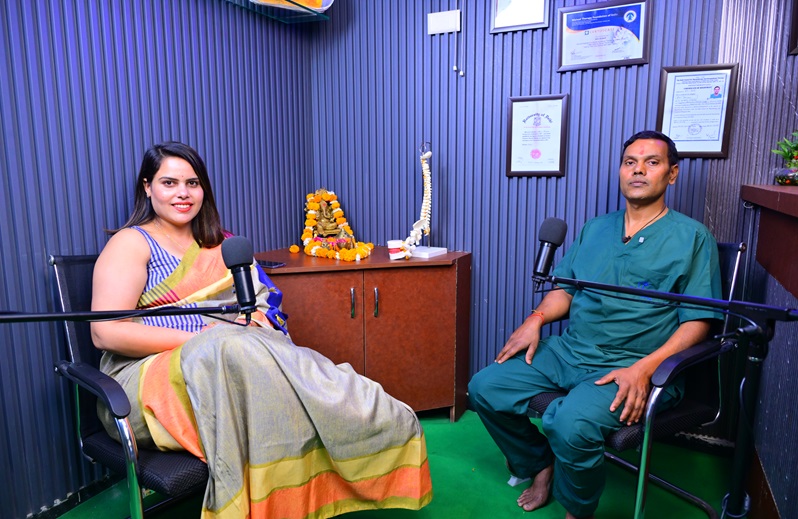
Struggling With Heart Health? Here’s How Physiotherapy Can Help You Rebuild Your Life
Most people think that heart disease is just a problem of old age. In India, cardiovascular diseases ( CVDs). Nearly one out of four deaths in India is caused by cardiovascular diseases, with ischemic heart disease and stroke responsible for more than 80% of these deaths.
The serious concern here is that the rise of heart disease among younger adults is due to stress, inactive lifestyles, diabetes, and poor dietary habits. However, here’s the good news!
According to Myability Spine Care, Delhi, “Heart disease is preventable and manageable, and physiotherapy plays a powerful role in both recovery and prevention.” In this blog, you’ll learn about what cardiovascular disease is and how physiotherapy helps rebuild your life if you’re dealing with it:
What is Cardiovascular Disease?
A group of disorders that affect the heart and blood vessels is known as cardiovascular disease. Some examples of CVD are coronary artery disease, heart attacks, stroke and heart failure.
Most cases of CVD are caused by fatty deposits that build up in the arteries, narrowing them and restricting blood flow. When blood flow to the heart or brain is reduced, it can cause life-threatening emergencies.
The common risk factors for CVDs are high blood pressure, high cholesterol, diabetes, smoking, obesity, physical inactivity, chronic stress and family history of heart disease.
Do you know?
India’s cardiovascular death rate is 272 per 100,000 people, which is higher than the global average.
Warning Signs of Cardiovascular Disease You Shouldn’t Ignore
● Chest pain or tightness like pressure, tightness or burning in the chest
● Shortness of breath
● Unexplained fatigue
● Palpitations
● Radiating pain in the neck, jaw, back or stomach
● Swelling in legs, ankles or feet, or belly
● Dizziness or fainting
● Cold sweats and nausea
● Irregular heartbeat or feeling like your heart is racing, fluttering
When you recognize these symptoms early and seek care, it can help save lives.
How Does Physiotherapy Support Heart Health?
In cardiovascular care, physiotherapy becomes a pathway to rebuild strength, endurance and confidence.
The searches for “the best physiotherapy clinic in Hargobind Enclave,” “the best physiotherapist in Delhi”, “physiotherapy near me”, and “is physiotherapy good for heart health?” have increased in the past few days, especially in regions like Delhi NCR.
Physiotherapy supports heart health through the factors mentioned below:
1.Cardiac Rehabilitation Programs
Many patients might feel weak and fearful of exertion after a heart attack, bypass surgery or angioplasty. Physiotherapists from Myability Spine Care, design personalized cardiac rehabilitation programs that safely guide patients back to activity.
These programs include exercise training like walking, cycling, and swimming to improve circulation or heart efficiency. Resistance training strengthens muscles and reduces the strain on the heart during daily activities.
Breathing techniques improve lung function and oxygen delivery, and posture/ movement training helps reduce strain on the cardiovascular system, improving overall heart capacity.
2.Risk Factor Management
Physiotherapists don’t just treat symptoms; they also address the root causes of problems and help manage high blood pressure, high cholesterol, obesity, diabetes and physical inactivity. Through structured programs and monitoring, patients learn how daily habits directly influence heart health.
3.Lifestyle Education & Empowerment
Educating people about the heart and its other functions in the body is another important factor in heart care because knowledge empowers individuals to take control of their condition rather than feel controlled by it.
Many spine care experts and the best physiotherapy clinic in Hargobind Enclave, Delhi guide patients on nutrition for heart health, safe exercise routines, stress management techniques, smoking cessation and medication adherence.
4.Reduced Risk of Complications
Prolonged inactivity after a cardiac event can lead to blood clots, pulmonary embolism, muscle wasting and reduced lung function. Physiotherapy promotes circulation, improves mobility and reduces these risks.
5.Improved Quality of Life
Many heart patients struggle with fatigue, anxiety, and fear of another attack. In such cases, physiotherapy improves endurance, reduces chest discomfort and restores independence. Research consistently shows that cardiac rehabilitation reduces hospital readmissions and improves survival.
Final Thoughts
Since the cases of early-onset heart disease in India are rapidly rising, proactive heart care is also important. Regular guided exercise, weight management strategies, and stress-reduction practices can lower cardiovascular risk.
Because prevention is not about extreme fitness, it’s all about sustainable, consistent habits, and expert physiotherapists from Myability help build those habits safely.
Heart disease can feel overwhelming for you, but it doesn’t mean you have to opt for medication or surgery. Real healing starts when strength, mobility and lifestyle are properly aligned. Whether you’re recovering from a cardiac event or just trying to prevent one, physiotherapy can change your heart health and your future.
Take a moment and listen to your heart because it works tirelessly for you every day. With the right guidance and support from Myability Spine Care, you can help it work stronger, longer, and better.
Frequently Asked Questions (FAQs)
1.What are the key components of cardiac physiotherapy?
The key components of cardiac physiotherapy are aerobic exercise (walking, cycling, swimming), resistance training (light weights to improve muscle strength), breathing exercises (to improve oxygen supply and reduce anxiety), education, heart rate/blood pressure monitoring (to ensure safety), and counselling on risk factor management.
2.What is the best exercise for heart problems?
For heart problems, aerobic exercise (brisk walking, running, swimming, cycling, playing tennis, and jumping rope) and resistance training are ideal and also reduce the risk of diabetes. Both of them burn calories, improving metabolic rate.
Many doctors from MyAbility Spine Care recommend exercising for at least 30 minutes a day. However, flexibility workouts like stretching are also effective for heart health, but they don’t directly contribute to it.
3.Is physiotherapy good for heart patients?
Physiotherapy can’t cure heart disease alone, but it can improve heart function by reducing symptoms and preventing further adverse effects when paired with a healthy diet and lifestyle changes.
4.What are the red flags in physical therapy?
In physiotherapy, “red flags” are warning signs and symptoms, such as unexplained weight loss, night pain, or fever, that suggest a serious underlying condition, such as an infection, fracture, or neurological issue. In case these health issues are developing, they need to be diagnosed urgently by a certified medical professional.
 by
by 

