

How the Cervical Spine Changes With Age from Birth to Adulthood
You’ve probably heard the word cervical spine, but not everyone knows how important it is. The interesting part is that your cervical spine never stays the same.
It starts developing at birth, grows stronger through childhood and the teenage years, and continues changing as you move into adulthood. That’s why the reasons people visit physiotherapy in East Delhi also change with age.
A child, a young adult, and an older person can all have different neck concerns. This guide explains how the cervical spine changes through each stage of life and what those changes mean for your neck health.
What is the Cervical Spine?
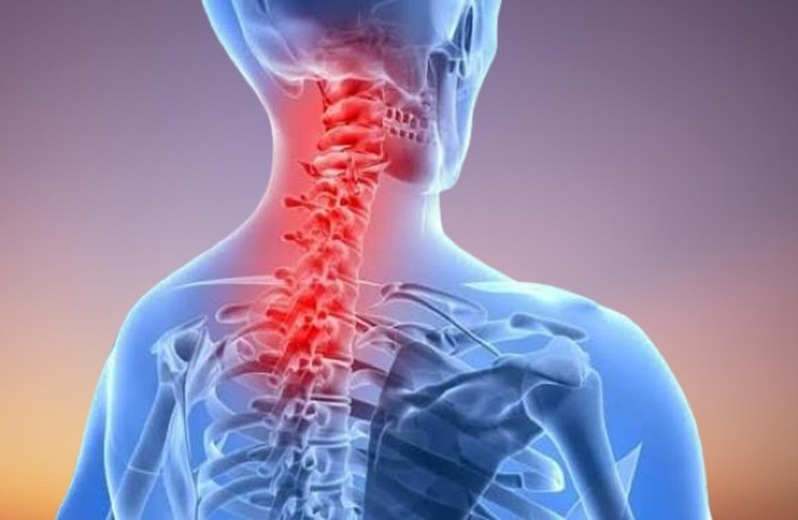
Your cervical spine is the upper part of your backbone that sits inside your neck. It includes seven small bones that support your head, protect your spinal cord, and help you move your neck in different directions.
Every time you look up, turn your head, nod, or check your phone, your cervical spine makes those movements possible. It also carries nerve signals between your brain and the rest of your body, which makes it one of the most important parts of your body.
What problems it sometimes deals with are pain, stiffness, or pressure that can turn simple daily tasks into uncomfortable ones and sometimes may even spread into your shoulders, arms, or hands. At a neck pain clinic in Krishna Nagar, Delhi, you can consult specialists so they can carefully examine your symptoms to identify what is causing the discomfort and recommend the right treatment.
Main Parts of the Cervical Spine
Every part of your cervical spine has a specific job. These structures work side by side to support movement, protect nerves, and keep your neck stable.
● Vertebrae (C1–C7)
Your cervical spine has seven vertebrae, named C1 – C7. Your two top vertebrae, C1 and C2, work with each other so that you can not only turn but also nod your head efficiently.
The rest of your vertebrae support your head and neck and protect your spinal cord. These seven vertebrae can collectively help support the weight of your head and enable smooth movement of your neck throughout the day.
● Intervertebral Discs
These are soft discs that sit between each vertebra and are natural cushions. They absorb pressure that has been created during daily tasks you do, such as walking, lifting, or driving. Healthy discs also allow smooth neck movement and reduce friction between the bones.
● Facet Joints
Facet joints connect one vertebra to the next and help your neck move smoothly. They make it easier to bend, turn, and look around while keeping your neck stable.
When these joints become irritated or injured, you may start feeling pain, stiffness, or difficulty moving your neck. In such cases, physiotherapy in Gandhi Nagar can help reduce pain, improve movement, and support your recovery.
● Muscles and Ligaments
There are a series of muscles in your neck that, along with ligaments, work to support your cervical spine in place and in proper motion. They move, but also keep your bones from excess motion so that the soft tissues can maintain the most natural curve possible throughout a typical day.
● Spinal Cord and Nerves
The spinal cord runs through the centre of the cervical spine and carries messages between your brain and body. Nerves branch out through small openings between the vertebrae to control movement and sensation in your shoulders, arms, and hands. Stress on these nerves can lead to pain, numbness, or weakness, and you need to consult a neck pain clinic in Krishna Nagar, Delhi.
How the Cervical Spine Develops from Birth to Adulthood?
Your cervical spine starts changing the day you are born. Every stage of life shapes your neck in a different way, which is why many families visiting a neck pain clinic in Krishna Nagar, Delhi place new demands on the neck.
Birth to 2 Years – Building the Foundation
A newborn’s cervical spine is soft, flexible, and still developing. The bones contain more cartilage than hard bone, which allows healthy growth during the first few years of life.
As your baby begins lifting the head, rolling over, sitting, crawling, and taking the first steps, the muscles around the neck become stronger. These early movements help their cervical spine to form its natural curve and improve head control.
In any case you notice limited neck movement or an unusual head position, seek early advice, and physiotherapy in Gandhi Nagar can help guide healthy development when movement is restricted.
Early Childhood (3–10 Years) – Growth and Alignment
During childhood, your cervical spine continues growing as the vertebrae become stronger and more stable. This is also the stage when your daily habits begin shaping your neck health.
For example, since kids spend more time running, climbing, playing sports, carrying school bags, and enjoying outdoor games, their neck starts handling more movement than before.
On the other hand, constantly looking down at books in the classroom and when studying or spending more time on phones and tablets, can put unnecessary pressure on their cervical spine.
They need to learn good sitting posture and active play to keep their neck in a healthy position. Neck pain is never something anyone should ignore, even at a young age. A regular visit to a neck pain clinic in Krishna Nagar, Delhi can help identify the cause early and guide kids toward the right care before the problem grows.
Adolescence (11–18 Years) – Fast Growth and Structural Changes
The teenage years are one of the fastest growth phases of your body. During this time, your bones grow quickly, your muscles stretch, and your cervical spine continues to become stronger.
But because your body is changing so fast, it’s common to experience tight muscles, poor posture, or occasional neck pain. Carrying a heavy school bag, spending hours on your phone, studying for long periods, or playing sports can all put extra strain on your neck.
That’s why it’s important to keep your neck active with regular stretching, strengthening exercises, and posture correction as your body grows. If neck pain starts affecting your studies, sports, or daily routine, physiotherapy in Gandhi Nagar can help you manage the pain and get back to your normal activities.
Young Adulthood (19–30 Years) – Peak Cervical Spine Health
As you enter your young adulthood, your cervical spine becomes stronger and more stable. The discs in your neck provide better cushioning, your muscles support the spine well, and your joints move smoothly during everyday activities.
However, this is also the stage when your lifestyle, such as sitting at a desk for hours, driving for long periods, looking down at your phone, working with a poor desk setup, or carrying bulky objects the wrong way, can start affecting your neck health.
Hence, it’s important to maintain good posture, stay active, and do simple neck exercises to keep your spine healthy.
If you notice frequent neck stiffness, pain that spreads to your shoulders, or tingling in your arms, don’t ignore it. Visiting a neck pain clinic in Krishna Nagar, Delhi can help find the cause early, reduce the pain and improve your neck movement with the right treatment and exercises.
Consult MyAbility Clinic for Better Cervical Spine Health
Your cervical spine changes as you grow, and your daily habits play a major role in how healthy it is. Poor posture, injuries, or muscle weakness can slowly lead to neck pain and stiffness. You don’t have to live with that discomfort.
The experienced team at MyAbility Clinic takes the time to understand the real cause of your neck problem and creates a treatment plan that works for you. Get in touch with MyAbility today and take the first step towards a stronger, healthier neck.
Frequently Asked Questions
Q1. When does the cervical spine stop developing?
A: The cervical spine develops throughout childhood and into the teenage years. Most people have fully developed cervical spines by their early to mid-20s. Following that, good posture and physical activity are also important for good neck health.
Q2. In what ways does the cervical spine develop during childhood?
A: The cervical spine develops during childhood by gaining strength and stability. The development of the bones, muscles, discs, and ligaments of the cervical spine works together to support the head and aid the child’s developing activity.
Q3. In what ways does the cervical spine aid good posture?
A: The cervical spine supports the head and aids in its placement. The better aligned the cervical spine is, the more posture is improved in the torso, and the more strain throughout the body is lessened, especially in the neck and shoulders.
Q4. In what ways does bad posture affect the developing cervical spine?
A: Bad posture develops into tension in the cervical spine and neck muscles. Things like slumping when sitting, looking at your phone for hours, and other bad posture habits can lead to issues like stiffness and chronic pain in the neck.
Q5. What are some good ways to maintain cervical spine health?
A: Having an active lifestyle as well as practicing good posture, regularly stretching, and strengthening the neck are all helpful habits for cervical spine health. Taking breaks from screens and not carrying heavy bags for long periods of time on one shoulder are also good habits.
 by
by 

