

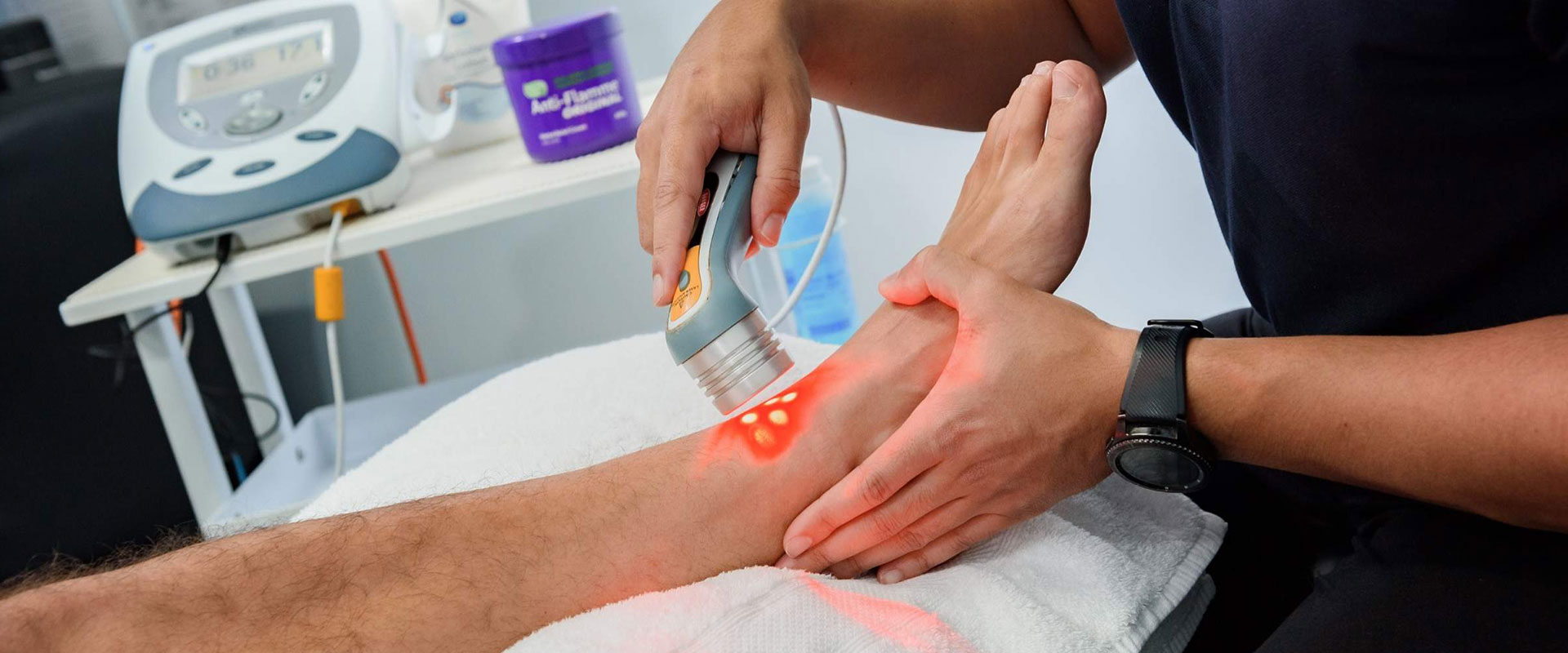
Everything About LLLT For Fat Layer Reduction
Laser therapy and other energy sources are now finding a place in dermatology clinics. It is because low-level laser therapy is a noninvasive and nonthermal approach. Moreover, advance laser therapy is being hyped as a scientifically backed clinical intervention to reduce fat and sculpt the body.
While many people in India alone suffer from obesity, making fat layer reduction a prevalent choice. Other reasons include no knives involved, requiring less time to get it done, and no skin slicing to open.
Here, we are mainly going to focus on LLT’s use in liposuction, reduction of cellulites, and reduction in serum cholesterol or triglyceride levels.
Introduction to LLLT-Assisted Liposuction
In the year 2000, Niera et al. introduced a new technique that used LLLT as an adjunct to liposuction. In their initial practices, they used a dose rate. As a result, it caused no detectable rise in the temperature of the tissue and no macroscopic changes in the tissue structure.
Furthermore, the application of LLLT was derived from prior investigations of this intervention for wound healing, pain relief, and oedema prevention. However, what truly marked the development of LLLT was the determination of the optimal wavelength and power necessary to augment Lipoplasty, as there was no need to alter the tissue’s macroscopic structure.
In addition, the evidence shows that the range of wavelengths between 630 and 640 nm was optimum for biomodulation. In turn, these wavelengths were used for LLT-assisted Lipoplasty.
Over the years, these findings prompted the introduction of a new device named EML Laser. This is now widely used as advance laser therapy. This device emits 4 mW of 635-nm light. Also, it is applied to the skin’s surface before commencing Liposuction. The aim is to emulsify the fat and soften the area before aspiration.
Mechanism of Action of LLLT for Fat Removal
Today, the mechanism of action of LLLT for fat removal is relatively controversial in advance laser therapy research. On the contrary, there are some clinical outcomes that have shown circumference reduction, and how it causes fat loss at the cellular level.
The Micropore Theory
Neira is the one who’d come up with the most cited explanations. The article reveals that LLLT acts directly on adipocytes. How? In clinical terms, this is achieved by forming transitory micropores in the adipocyte cell membrane. Thereafter, those micropores were visualized with SEM (Scanning Electron Microscopy) and were hypothesized. Consequently, this allowed intracellular lipids to leak out of fat cells.
Recurring Replication Issues
After the first trial carried out by Neira, Brown et al. attempted to replicate its findings. Somehow, he failed to visualize any transitory micropores on adipocyte membranes. This further raised the question whether the observed “pores” were the actual biological structures of SEM artefacts.
Supporting this scepticism, renowned plastic surgeon Dr Peter Fodor commented, “One could postulate that the presence of the black dots on SEM images reported by Neira et al. could represent an artefact”. This was the one critique that challenged the pore-formation hypothesis.
Reactive Oxygen Species (ROS) and Lipid Peroxidation
Another mechanism was proposed that links LLLT to increased reactive oxygen species (ROS) production within adipocytes. Those increased ROS levels initiate lipid peroxidation. It is a process where ROS reacts with lipids in the cell membrane. Hence, it temporarily damages them by creating pores.
This explanation aligned with known photobiomodulation effects of LLLT. Under this effect, controlled oxidative stress acted as a cellular signalling mechanism.
LLLT for Non-Invasive Body Contouring
The Zerona LipoLaser (Erchonia Medical, Inc.) is yet another extensively studied LLLT device for body contouring. This device comes with five independent rotating diode laser heads. Each head available emits 7 mW of 635 nm laser light. Back in the days, it was the first noninvasive aesthetic device that successfully received FDA market clearance in the US for circumferential reduction of the waist, hips, and thighs. The clinical outcomes of Zerona LipoLaser are as follows:
● Average total circumference reduction is 3.51 inches.
● Timeframe is as little as 2 weeks.
● No diet restrictions.
● No exercise requirements.
● No adjunctive therapies.
A Clinical Study That Shows Consistent Results
A randomized study was conducted by Caruso-Davis, who used a 635–680 nm LLLT device. For this study, this researcher treated 40 healthy men and women. This system was used on them for 30 minutes twice a week for 4 weeks with no changes in diet or exercise.
The results of this study were quite positive. Moreover, there was a significant girth reduction at the end of the treatment period. In a nutshell, despite being effective for body contouring, this device is FDA-approved only for hand and wrist pain, especially those linked with carpal tunnel syndrome.
LLLT for Cellulite Reduction
Cellulite is no longer just a cosmetic concern today. It is beyond a structural and histological phenomenon. Due to this reason, advance laser therapy like Low-Level Laser Therapy (LLLT) has attracted the interest of scientific principles for its management.
Although its aetiology is controversial, its historical studies show the following two main features:
● Thinner fibrous septae in the deep subcutaneous tissue.
● An irregular dermo–hypodermal interface.
This architectural disruption is what produces the “orange-peel” appearance of cellulite, rather than simple fat accumulation.
LLLT in Autologous Fat Transplantation
Autologous fat transplantation is mostly used for soft-tissue augmentation in both cosmetic and reconstructive procedures. The only bummer is that it still faces significant challenges. For instance, fat graft failures and volume reduction. These failures occur mostly due to ischemia, mechanical stress during harvest, and nutrient deprivation.
In support, research carried out suggests that LLLT can help patients to overcome these challenges by encouraging adipocyte integrity and survival.
In autologous fat transplantation, where preserving healthy adipocytes is of utmost importance for clinical success, LLLT offers overall encouraging advantages as an adjuvant to advanced laser therapy.
Final Words
As you have read above, Low-Level Laser Therapy (LLLT) has emerged as a scientifically supported yet non-invasive solution for fat layer reduction and body contouring. This form of advance laser therapy provides a safe alternative to surgical procedures.
At its core, it targets adipocytes without causing any harm to surrounding tissues. And the best thing about this intervention is that its application extends beyond fat reduction and includes cellulite management, liposuction assistance, and delivers amazing outcomes in autologous fat transplantation.
Having said that, it’s a substitute for weight loss, which is also an effective adjunct for targeted weight reduction with minimal discomfort and downtime. When performed under professional guidance, like at a specialized clinic or by a qualified Chiropractor in East Delhi, it can result in complete wellness and a body-sculpting plan.
FAQs
Q1: Is LLLT safe for fat layer reduction?
A: Absolutely yes, it is also proven in multiple clinical studies. Some of them revealed that LLLT is safe when used within recommended parameters. The best thing about this intervention is that it is noninvasive, nonthermal, and does not damage the surrounding tissues of the skin.
Q2: How is LLLT different from surgical liposuction?
A: There are a few disparities between LLLT and surgical liposuction. The one evident difference is that surgical liposuction physically removes fat cells using cannulas. On the other hand, LLLT modulates fat cells without destroying them.
Q3: What is LLLT therapy mainly used for?
A: The LLLT therapy is mainly applied to reduce pain or inflammation, augmenting tissue repair, and promoting regeneration of different tissues and nerves.
Q4: How much does LLLT cost?
A: The cost of LLLT depends on the condition you are being treated for and the sessions required to recover fully. To give you a rough idea, a patient who needs three sessions of LLLT could cost between ₹ 8,000 and ₹ 40,000+.
Q5: Who is an ideal candidate for LLLT fat layer reduction?
A: LLLT is ideal for those who are close to their healthy weight but are struggling with stubborn fat deposits that do not go away or respond to diet and exercise. Although this isn’t a permanent weight loss solution, it works best for body contouring and fat layer reduction.
 by
by 

