

Neurological Treatment of Psychopathic Disorders
Psychopathy has long been one of the most misunderstood and debated conditions in clinical neuroscience. In addition, it is a serious personality disorder, which is characterised by emotional and behavioural abnormalities.
Research has shown that psychopathic disorder is present in approximately 15-20% of criminal offenders. Hence, they are the strongest predictor of violence. Given that, this comprehensive post describes what leads to improper clinical treatment for psychopathy, along with a possible neurological treatment plan for the same.
We are also going to discuss the types of psychotic disorders and the role of the neurotransmitter system. So, stay tuned till the end.
Get to Know Psychopathy In Brief
Psychotic disorders refer to a group of serious mental illnesses which include the signs of psychosis. Psychosis refers to the cluster of symptoms, not an illness. Some researchers describe this condition as “losing touch with reality”, which is true at certain points.
For example, what happens in this condition is that a person may have disruptions in their thoughts and the way he/she interpret their thoughts. As a result, this makes it hard for them to recognise what was real and what wasn’t.
A unique feature of this disorder is that a person with it displays instrumental aggression. Meanwhile, some may use superficial charm, manipulation, and conning to take advantage of others.
Is Psychopathy Treatable?
Wondering if psychopathy can truly be treated, or if it is an inherited personality disorder? Traditionally, a few popular clinical opinions suggest that psychopathy is untreatable. This belief has been rampant among researchers for many years. Over the years, this traditional belief that “psychopaths cannot change” has slowly shifted as research has started exploring the neurological underlying causes of psychopathy.
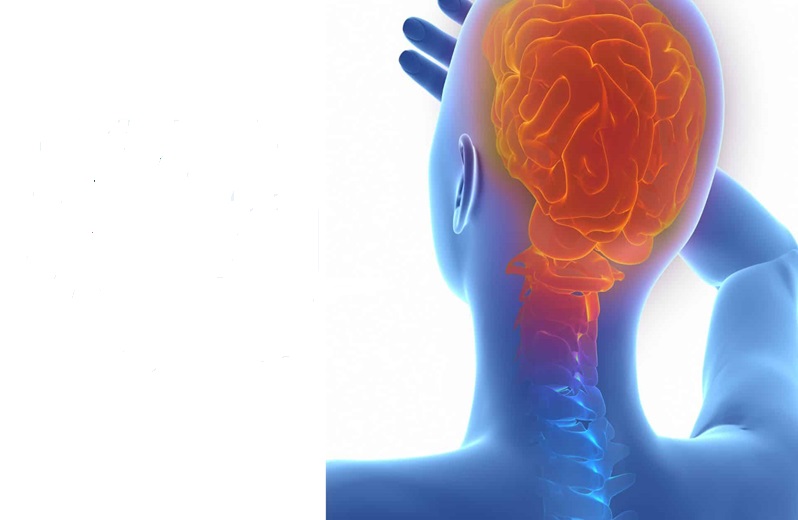
Scanning via functional MRI (fMRI) and positron emission tomography (PET) scans shows that a person with psychopathic disorders can have different abnormalities, such as the amygdala, prefrontal cortex, and orbitofrontal cortex. However, these abnormalities are ultimately responsible for empathy, emotional regulation, and moral reasoning.
In simple terms, psychopathy isn’t “curable” in the conventional sense, but it is manageable with the right modalities.
Types of Psychotic Disorders
Psychopathy generally overlaps with certain conditions. According to the DSM-5, its types include:
➔ Schizophrenia Spectrum Disorders: A serious psychiatric condition where a person experiences delusions, hallucinations, disorganised speech or behaviour, diminished emotional expression, and little to no motivation.
➔ Delusional Disorder: Strong, persistent false beliefs for at least 1 month.
➔ Brief Psychotic Episodes: Sudden onset of psychosis triggered by stress or trauma.
➔ Schizoaffective Disorder: A hybrid of mood disorder and psychosis.
➔ Substance and Medication-Induced Psychotic Disorder: The use of or withdrawal from substances leads to hallucinogens and crack cocaine.
A clear understanding of these related conditions helps clinicians to determine if these traits stem from personality, cognition, or neurochemical imbalances.
What Leads to Improper Clinical Treatment for Psychopathy?
Regardless of the fact that there is a growing scientific progress, psychopathy remains challenging to treat effectively. And there are multiple factors that lead to improper or inadequate clinical outcomes. Some of them are as follows:
Lack of Theoretically Grounded Treatments
Traditional therapies were built for emotional disorders, not for individuals with limited emotional depth. Plus, psychological therapies that are specifically intended to target psychopathy are uncommon in the literature on psychopathy.
A researcher named Salekin and colleagues conducted a review in the past, which is of “second-generation” treatment studies. All of these studies used structured assessments of psychopathy. At the end, none of the eight studies included treatment designed to target psychopathy.
Lack of Contemporary and Empirically Rigorous Studies
Most of the studies, or you can say a majority of studies, for the treatment of psychopathy were conducted before the 1980s. Therefore, the past few decades have seen some development in understanding psychopathy’s aetiology and assessment. Therefore, limited funding and misconceptions reduce the scope of large-scale, controlled clinical trials.
Lack of Consensus Regarding Conceptualisation and Assessment
Is psychopathy a personality disorder? A neurological condition? A behavioural dysfunction? There is confusion all around. Different frameworks like Hare’s PCL-R, DSM-5, and ICD-11 explain and interpret psychopathy differently. Due to this, it leads to misdiagnosis, contradictory treatment plans, and differing therapy outcomes.
As a whole, some studies focus mainly on criminal behaviour, while others assess broader changes. Different diagnostic tools like legal criteria, ASPD diagnoses, PCL variants, Cleckley’s criteria, or MMPI scales experience inconsistent cut-offs, which makes cross-study comparisons difficult.
Possible Treatment Plan
Here are some of the possible neurological treatment programs suited for psychopathic disorders:
Cognitive Rehabilitation
It is often seen that psychopaths resist treatment because they deny they have a problem. The NBCCR approach addresses this concern by targeting their attitudes and work for small gains. For example, they might encourage them to question their mental health. Consequently, this can increase their willingness to cooperate and engage in treatment. So, CBT, neurofeedback, and adaptive cognitive exercise works wonder to reshape neural pathways in psychopaths.
Brain Stimulation
A doctor can conduct brain stimulation of both types, non-invasive and deep. Non-invasive targets underactive anterior brain regions to improve positive- and negative-response processing, where their progress is tracked via behavioural games. Deep stimulation targets core structures like the amygdala to improve the fear response and recognition of social signals. This brain simulation is assessed through sociological studies both before and after treatment.
Neuropharmacology
There is no “anti-psychopathy drug” that exists. The overall treatment aims to restore hormonal balance to minimise both instrumental and reactive aggression. In addition to it, medications can manage symptoms such as:
➔ SSRIs and SNRIs for emotional dysregulation.
➔ Mood stabilisers for aggression.
➔ Atypical antipsychotics for comorbid psychosis.
➔ Norepinephrine receptors are used to regulate impulsivity.
Other Interventions
Besides neurological and psychological therapies, a few supportive interventions can work for individuals with psychopathic disorders. And, those are listed below:
➔ Family Support: This educates families or caregivers about the symptoms and helps them find out effective ways to cope, communicate, and problem-solve.
➔ Education Programs: Teaches sufferers skills training, emotional-awareness modules, and structured behavioural lessons to support long-term improvement.
➔ Physiotherapy-Based Neuro-Rehabilitation: A core session of physiotherapy near Preet Vihar applies motor-sensory connections, coordination exercises, and neuroplasticity-induced techniques for better cognitive control.
➔ Medication Management: This helps patients individualise the types and doses of medications in order to achieve recovery goals.
➔ Employment Services: Coaches psychopaths to support work and meet their professional goals.
Conclusion
Today, psychopathy is not the “untreatable condition” it was once believed to be. The ongoing advancements in neurosciences, including neuroimaging, brain stimulation, and cognitive treatment, promise effective results. Therefore, psychopathy may be somewhat treatable with neurological treatment modalities.
Dedicated treatments can increase the functioning of key brain regions through pharmacological mechanisms and therapies. Finally, for psychopaths, the change is possible.


