

Is Laser Therapy Good For Pregnant Women? If Not, Why?
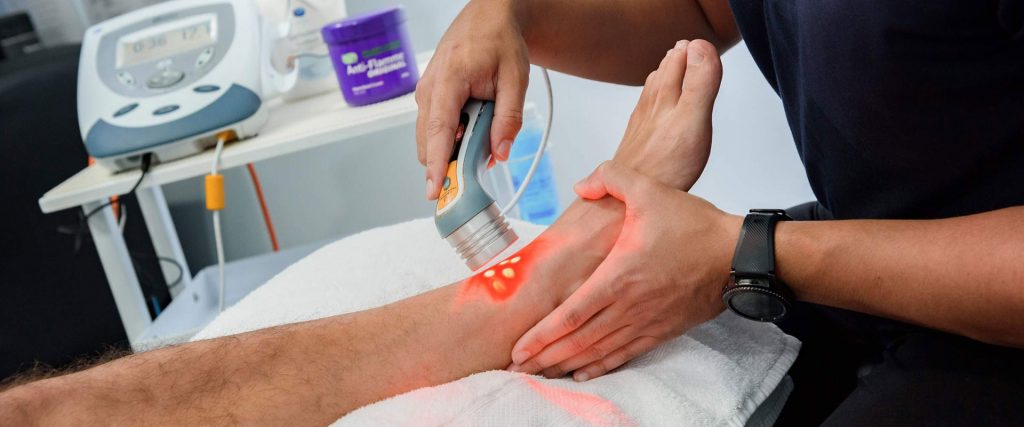
Laser Therapy, aka Low-Level Laser Therapy (LLLT) or Cold Laser Therapy, are used to treat many diseases and their complication. India is home to the most advanced laser therapy techniques in the world. However, the use of lasers in pregnant women is still controversial.
Although pregnancy brings the joy of being a mother, it also brings anticipation. Meanwhile, it even raises the question, “Is this innovative therapy equally safe for expectant mothers?” During this phase, every decision has a direct impact on both the mother and the child. So, before agreeing to any intervention, expectant moms must read this guide as we’ve explored the science, safety, and expert opinions on this sensitive topic.
Instances From Past
In the year 1973, lasers were first used in pregnancy to treat cervical erosions. Certainly, it was used to manage conditions like cervical intraepithelial neoplasia and fallopian tube microsurgery. Although it was used to treat some diseases in non-pregnant patients, a few high-intensity therapies were recommended to be performed after delivery.
In 2019, a physiotherapy clinic in Pune reported that around 7% of their pregnant clients inquired about Laser Therapy for back pain or joint inflammation. Amongst them, some women experienced mild relief, and others reported increased skin sensitivity or discomfort after sessions.
Today, it is used to cure joint or muscle pain. For pregnant women, it can be employed to treat granuloma gravidarum, acne, vascular lesions, verrucae, hypertrichosis, keloids, hyperpigmentation or even other cosmetic cases. But, due to the lack of standard guidelines and missing information on the potential risks to the fetus, this therapy is usually postponed during pregnancy until after delivery.
Different Dermatological Laser Therapy Expected Moms Must Avoid
When it comes to healthcare treatment approaches, there is no one-size-fits-all solution. Similarly, each skin type reacts differently (sometimes unpredictably) to laser light and heat.
Here are some dermatological laser treatments pregnant women should avoid:
➔ Vascular Lesions: Often regarded as spider veins or varicose veins, many vascular lesions, like hemangioma and telangiectasias, develop during pregnancy and are resolved right after the delivery.
As per the research, neodymium-doped yttrium aluminium garnet (Nd: YAG) laser and flashlamp-pumped pulsed dye laser are widely used for vascular lesions, but are not advised to be performed during pregnancy. Why? This treatment uses intense laser beams to target and collapse blood vessels beneath the skin.
However, this is effective under normal circumstances, but during pregnancy, it will increase the risk of bruising and swelling in expectant mothers.
➔ Pigmented Lesions: Hyperpigmentation is common in pregnant women, especially in women with dark skin. However, Melisma is an example which is often regarded as the so-called “mask of pregnancy”. As per doctors, melisma resolves after delivery in pregnant mothers, but it may relapse with future pregnancies.
Did You Know 🤔?:
Skin sensitivity increases by nearly 40% during pregnancy, according to a 2023 dermatology study published in The Journal of Maternal Health.
For patients who were not pregnant, combined laser therapy using a pulsed CO2 laser and a Q-switched alexandrite laser proved to be very successful. On the contrary, things might get worse for pregnant women, as it leads to overstimulating melanin production.
➔ Hair Removal: Hair removal via laser is one of the most popular aesthetic treatments worldwide, but during pregnancy, it’s a no-go zone. Hormonal changes during pregnancy affect the hair growth cycle and skin pigmentation. Meanwhile, a laser can trigger burns or hyperpigmentation on sensitive skin, especially on the underarms, legs, or bikini area. Moreover, there is no strong data that reflects the safety of hair removal lasers during pregnancy.
Therefore, since current guidelines do not encourage the use of cosmetic procedures like hair removal, go for safer options like trimming or shaving.
➔ Genital Warts: Similar to vascular lesions, genital warts, like condyloma acuminatum, are also treated by CO2 lasers and Nd-YAG lasers. In contrast, some obstetricians may use laser therapy in extreme cases to remove genital warts before delivery, but this is only done in controlled medical environments.
Overall, laser wart removal is ideal to be postponed due to the risk of heat exposure and localised tissue irritation near reproductive organs.
Clinical Explanation
The procedure includes the use of specific wavelengths of light to penetrate tissues, reduce inflammation, and boost cell repair. As a result, the treatment increases the density of ATP (cellular energy), which promotes healing. Although ATP is great for injuries, it is potentially risky for expectant mothers.
As per a study named The International Journal of Laser Medicine conducted in 2022, there’s insufficient data proving the safety of laser exposure during pregnancy. Researchers caution against applying lasers near the abdomen or lower back, as even mild heat or light energy could affect uterine tissue.
Moreover, there were concerns about unnecessary physiological stress to the
Fetus, which further supported the misconceptions against elective laser therapy during pregnancy. Many reported physiologic changes in maternal heart rate, blood pressure, and temperature. Consequently, it led to uterine perfusion and oxygenation.
Overall, a number of studies reflect on identifiable postnatal deficits, including delays in infantile mental and motor development, that could emerge due to prenatal stress and high maternal cortisol during pregnancy.
In simpler words, the technology is powerful, but pregnancy isn’t the time to experiment.
Potential Effects
Pregnancy is a delicate time, and the health of the mother must be carefully considered when it comes to treatment. As stated above, laser therapy carries some risks that may pose challenges during pregnancy.
Here are some of the risks it may pose:
➔ Affect Fatal Development: While laser therapy is generally safe, the light energy can interfere with the delicate processes of fetal development. This is mostly found in early pregnancy when the fetus is most vulnerable. The major concern lies in cell division, differentiation, and hormone levels in both the mother and the fetus.
➔ Risk of Heat Generation: High-intensity lasers generate heat, whereas LLLT is designed to be cool and non-thermal. So, with high-intensity lasers, there is always a risk that high heat near the abdominal region impacts the pregnancy. As a result, it ends up in hyperthermia, leading to other complications.
➔ Hormonal and Circulatory Changes: In general, a woman’s body undergoes various hormonal changes, but during pregnancy, there are higher hormonal levels and a circulatory system. However, laser therapy affects blood circulation or immune responses.
Final Words
Laser Therapy is, without a doubt, one of the most advanced pain and skincare treatments in modern healthcare. But pregnancy is a phase that demands extra care, caution, and compassion. The fact that the science behind lasers is strong, however, the research on its safety is still limited.
Is it worth taking the risk when your body is already performing the miracle of life? During these nine transformative months, your best treatment is patience, not protons. Overall, it’s a great idea to delay elective laser treatments post-delivery.
Meanwhile, if an expectant mother is struggling with constant pain, muscle tension, or posture issues, they can consider visiting the best chiropractor in Delhi. Professionals are trained to provide gentle yet pregnancy-safe care that will help them move, rest, and heal better while keeping the baby safe.


